
The Only Detailed Handbook You Need For Navigating All Naukri Login Areas
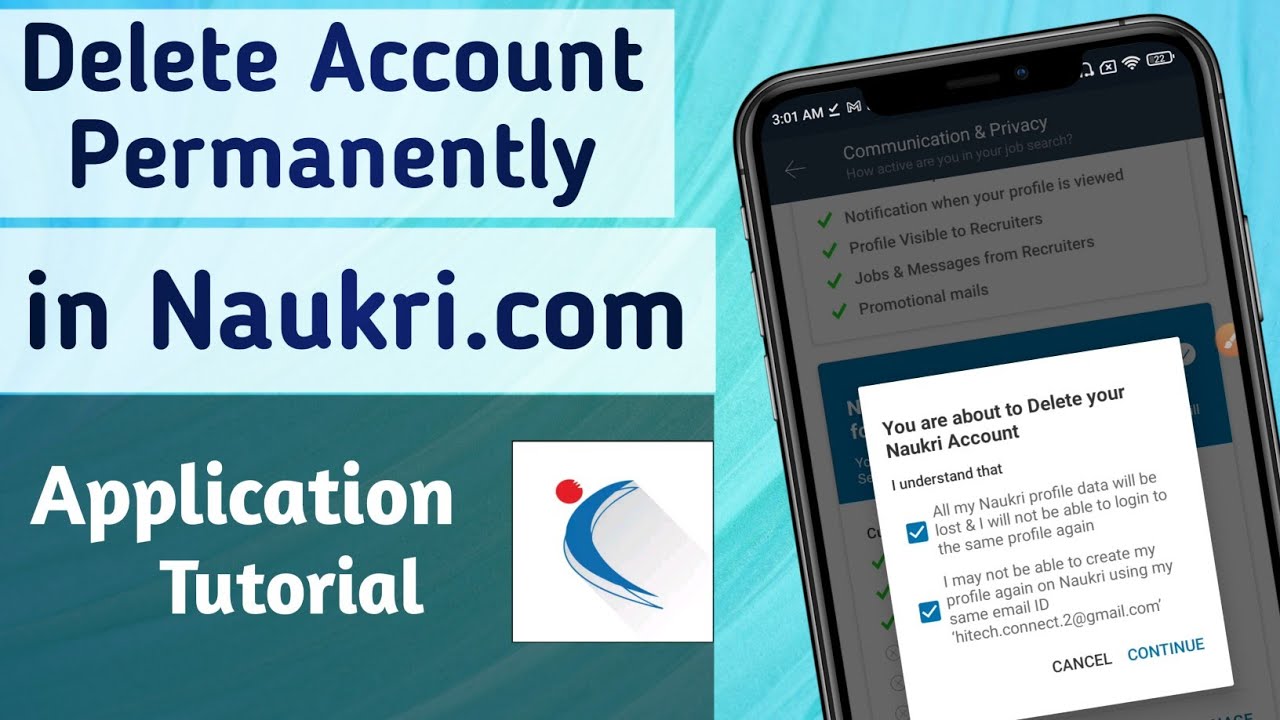
Most people sign up for a job portal without thinking much about what happens later. You log in, update a few details, upload a CV, maybe send some applications, then sort of forget about it until a recruiter calls unexpectedly. Platforms evolve during that time. User expectations shift. And sometimes you simply feel like starting fresh somewhere else. That’s when figuring out how to delete a Naukri account – or even navigating the platform again – suddenly becomes a bigger task than you expected.
But here’s the thing: Naukri is layered. The surface looks simple, but once you dig a little, there are dashboards, settings, recruiter tools, saved searches, and employer consoles, all sitting quietly behind various menus.
For some users, it’s smooth. For others, not so much. I’ve seen people click around repeatedly, wondering where a particular button vanished. I’ve watched a friend search every corner just to find the logout option. These tiny struggles tell you something: what seems obvious becomes tricky when you revisit a site after months.
And that’s really the purpose of this guide—clean, comprehensive, and a little conversational. Whether you’re trying to explore the basics again, or planning to use the platform more smartly, or maybe you just want to understand what happens behind the scenes of different login types, this blog lines everything up. You’ll also see how one keyword, tucked mid-sentence, appears exactly where it should.
Over time, many users forget the difference between the naukri login for job seekers and the employer or recruiter interface. Understandable. Life gets busy. That’s why this breakdown moves around topics but always loops back to what matters—making your Naukri experience cleaner, more intentional, and easier to manage.
How Naukri Works Behind The Scenes
Understanding a platform starts with understanding its intention. Naukri began with a simple idea: give job seekers and recruiters a shared meeting place. But over the years, layers of features piled up—notifications, alerts, subscription upgrades, recruiter dashboards, employer consoles.
The structure is like a city that grew organically. New buildings were added wherever space appeared. A few users walk straight through it without confusion. Many wander. Not aimlessly—just cautiously—checking what each door leads to.
What’s interesting is that Naukri keeps both sides of the ecosystem separate: job seekers on one lane, employers on another. Yet, both share the same outer gate. That’s partly why people get confused when switching roles or trying to understand login options.
Why People Return After Months And Feel Lost
Imagine this: you created a profile two years ago. You were actively applying. Then you changed jobs, got busy, shut notifications off. Suddenly, you’re job hunting again. You sign in and realize the interface looks familiar yet distant, almost like an old supermarket you haven’t visited in years.
The saved searches? Still there, gathering dust. Your resume? Dated. Contact number? Maybe changed. The whole environment gives a strange déjà vu. This is why navigation sometimes feels slower the second time—your mind tries to match old memories with the updated interface.
The platform wasn’t built to cause confusion; it simply evolves faster than most users revisit it.
Understanding The Standard Naukri Login Path
A regular user—someone looking for jobs—lands on the main login page. A simple email (or mobile number) plus password gets you inside. It’s straightforward. But people forget that this login is designed only for job seekers.
Once inside, the system pushes you into the familiar sections:
- Profile completeness bar
- Resume upload area
- Job recommendations
- Notifications
Everything seems linear. But hidden inside sub-menus are privacy options, activity logs, and settings that many users never explore.
Sometimes users try accessing another area, like employer tools, using the same credentials. That’s where confusion begins.
Navigating The Naukri Recruiter Login
The Naukri recruiter login area is a completely separate world. It might look similar from the outside, but the moment you enter, the dashboard feels more analytical. Recruiters aren’t browsing jobs—they’re browsing people.
There are filters, applicant tracking systems, tabular views, and folders. Many HR professionals check this dashboard daily, creating shortlists or pushing profiles into job pipelines.
For someone used to the jobseeker side, the recruiter interface feels busier, like stepping into a control room instead of a personal profile page. And here’s where new recruiters struggle for a few days. They hover over icons repeatedly. They open multiple tabs. Eventually, the rhythm settles.
Recruiters don’t delete accounts often, but they do switch companies and forget old logins. So the login clutter piles up.
Inside The Naukri Employer Login Environment
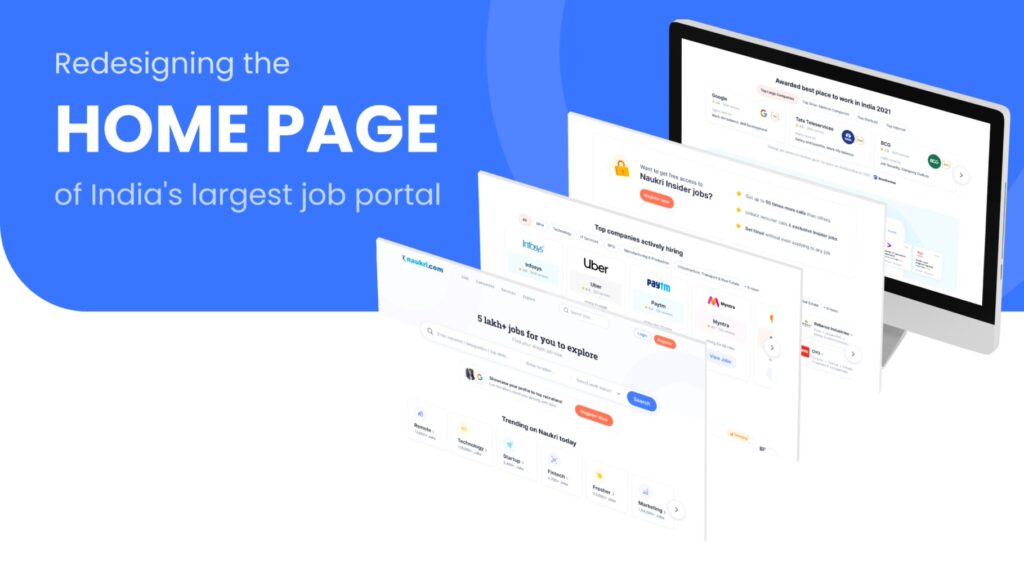
Now the naukri employer login portal sits even deeper in the structure. It isn’t for individual recruiters but for organizations. Think of it as a building where multiple recruiter rooms exist, all under one roof.
Employers use it to:
- Assign recruiter seats
- Manage company profiles
- Track job postings
- Monitor subscription usage
It’s not flashy. Doesn’t need to be. It’s transactional, designed for teams, not individuals. Many small to mid-sized firms rely heavily on it because it centralizes hiring tasks.
But again, the overlap in naming—jobseeker login, recruiter login, employer login—makes users mix them up occasionally.
Why Users Consider Deleting Their Naukri Account
People decide to delete accounts for surprisingly relatable reasons:
- Too many recruiter calls.
- Old details resurfacing during job changes.
- A desire to stop online visibility for personal reasons.
- Wanting a clean slate.
- Switching careers or industries entirely.
There’s also the group that simply gets overwhelmed by notifications and prefers stepping away for a while.
Then comes the scenario where someone tries to delete their account but can’t find the option. They click everywhere, pause, exhale, and try again. Eventually, they land in Help or Privacy. That’s where the delete option usually hides.
Step-By-Step Guide On How To Delete Your Naukri Account
Deleting an account isn’t complicated. It’s just not placed front-and-center. Likely intentional.
Here’s the path job seekers follow:
- Log in using your standard credentials.
- Head to the Settings or Privacy section.
- Scroll past notification settings, visibility controls, and shared data sections.
- Eventually, a small option appears—something like “Deactivate Account” or “Delete Account”.
- The platform may ask for a reason.
- Once confirmed, the account goes inactive.
One thing to remember: deletion affects visibility. Recruiters can’t see your old data. Your resume vanishes from their saved lists. This resets your presence completely, giving that clean start many people want.
Sometimes users worry—”Will it still remain somewhere?” Usually, no, because the system clears visible profile content, though logs may exist for compliance. But functionally, you’re invisible.
Temporary Deactivation Vs Permanent Deletion
Not everyone wants a dramatic exit. Some users only need silence for a while. Maybe they’re exploring other platforms. Maybe job hunting is paused. Maybe their profile is attracting irrelevant roles.
Deactivation lets you slip into the background without losing your data. It’s like stepping out of a busy market and closing the door behind you. You can return anytime without rebuilding from zero.
Permanent deletion, on the other hand, is a one-way ride. If you’re absolutely sure, it’s fine. But if you feel even slightly unsure, deactivation works better.
A Real-World Story To Illustrate This
A colleague once told me he deleted his profile during a hectic time because random job calls kept interrupting meetings. He assumed he’d never need the account again. Months later, when he began looking for a new role, he realized the absence of his old data meant building everything from scratch—skills, projects, certifications.
He laughed when he narrated it. Said it felt like wiping a phone without backing up photos.
Deletion makes sense in many cases, but it helps to know the consequences.
How Switching Between Different Logins Confuses Users
Sometimes people use one login to try accessing another. A recruiter uses their official email to enter the jobseeker portal. A jobseeker accidentally tries to enter a recruiter panel. The site won’t block you rudely, but it shows errors that seem cryptic.
This login overlap is common because people assume there is only one main entrance for the entire platform. But the platform functions more like three homes built on the same lane, each with its own doorway.
Understanding this removes half the confusion users face.
Improving Your Navigation Experience On Naukri
Navigation improves slowly, usually when you revisit the same features repeatedly. The dashboard layout grows familiar. The menus start making sense. You remember where the privacy controls sit.
One tip that helps many users is exploring the platform casually when you’re not urgently job hunting. Pressure makes people rush, and rushing makes them miss crucial settings.
Another tip: every few months, update your profile even if you aren’t looking for a job. This keeps recommendations relevant and reduces the chance of irrelevant recruiter calls.
Common Issues Users Face While Logging In
A few patterns appear repeatedly:
- Forgotten passwords.
- Old email IDs are no longer accessible.
- Numbers changed, so OTP login fails.
- Confusion between the employer, the recruiter, and the jobseeker login.
- Browser cache is causing loading issues.
Sometimes the simplest fix—logging in from incognito mode—saves twenty minutes of frustration.
Security And Privacy Concerns Many People Miss
Account deletion often connects with privacy worries. People fear misuse of their resumes or phone numbers. The platform has visibility controls, but many users skip them.
You can hide your profile from certain recruiters, make your contact details invisible, or restrict resume downloads. These settings, tucked away, give users more control than most realize.
If privacy is your main concern, explore these before thinking about deletion. They might solve the problem without losing the entire account.
How To Manage Job Alerts More Smartly
Alerts become overwhelming. That’s one reason people quit platforms.
Instead of turning everything off, tweak them:
- Reduce frequency.
- Change keywords.
- Disable industry categories irrelevant to you.
- Keep only one or two essential alert types on.
A refined alert system places quality over quantity and reduces mental noise.
Account Recovery Options If You Change Your Mind
Sometimes users delete accounts impulsively. Later, they try creating a new one, and the site says the old email already exists. In such cases, account recovery can rescue you.
The recovery path usually involves an OTP or a support request. Most users regain access within minutes. But if the old number is inactive, the process takes longer.
The key is patience—a trait that vanishes when job search stress kicks in.
When Employers Or Recruiters Want To Delete or Reset Access
It’s not only job seekers who want to tidy up accounts. Recruiters also ask for resets when they move jobs. Employers occasionally archive recruiter seats when teams change.
These aren’t common user actions, but they exist. And they require support intervention because employer access is tied to organizational data.
Bringing It All Together
Across all these sections, one thing becomes clear: Naukri isn’t confusing because it’s poorly designed. It’s confusing because it carries multiple identities under one brand. A jobseeker login, a recruiter login, an employer console—three worlds built side by side.
Once you understand this, navigation becomes smoother. And deleting your account, if that’s your choice, becomes a thoughtful decision rather than a hasty reaction.
Conclusion
Deleting or managing a Naukri account isn’t hard—it just looks hidden when you’re in a hurry. Understanding the layers of the platform, from jobseeker dashboards to recruiter and employer areas, makes decisions easier. Whether you continue using it or clean-slate your profile, clarity always helps. And once you know where everything sits, the platform feels less like a maze and more like a tool you control confidently.